Why a colostomy may be needed
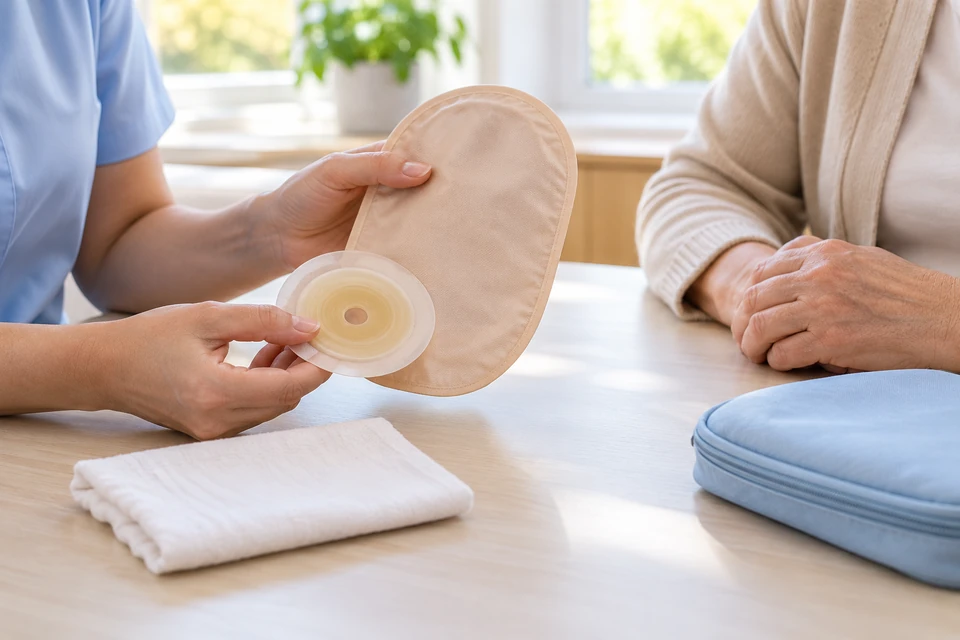
A colostomy brings an end or loop of colon through the abdominal wall. Stool passes into a pouch attached around the opening, called a stoma. Reasons include cancer surgery, obstruction, severe infection, injury or allowing another bowel segment to heal. Having a colostomy does not by itself describe disease severity. Its purpose and expected permanence should be explained for the individual situation.
Site selection and preparation
Before a planned operation, a stoma nurse can mark a practical position, considering folds, clothing, movement, vision and hand function. The abdomen is assessed in different positions. Scars, skin conditions and daily activities matter. Emergency circumstances may limit preparation. Medication and anaesthetic assessment are also needed. Seeing the pouch and learning basic handling beforehand can make the early adjustment more manageable.
Temporary, permanent and alternative options
An end colostomy uses one bowel end; a loop colostomy uses a loop. The configuration alone does not guarantee that reversal will be possible. Alternatives may include a direct bowel join or an ileostomy, depending on anatomy and safety. An intended temporary stoma can become permanent if further surgery, disease control or expected bowel function makes reversal unsuitable.
The operation and early care
A colostomy may accompany bowel removal or simply divert stool. The colon is secured to the skin through an open or minimally invasive operation. The team checks the new stoma's colour, blood supply and output. Some mucus may still pass from a retained rectum. Pain control, eating and mobilisation depend on the entire operation, rather than on the stoma alone.
Potential problems and skin protection
Stoma-specific problems include retraction, prolapse, narrowing and a hernia around the opening. A correctly fitted pouch helps protect skin from stool. Repeated leakage or irritation needs reassessment of the fit and stoma shape, rather than simply adding products. Minor surface spotting differs from substantial bleeding into the pouch. Marked colour change, severe pain or rapidly increasing swelling requires prompt professional assessment.
Returning to everyday life
Stepwise teaching supports independence in pouch changes and skin care, with a relative involved when helpful. Food, gas and odour advice can be adapted to personal experience. Work and exercise depend on overall recovery. Spare supplies and a reliable ordering plan help with travel. Body image, intimacy and sexual concerns are valid topics for follow-up, alongside continuing access to a stoma nurse.
When to seek urgent help
A marked reduction or stop in usual output, especially with pain, swelling and vomiting, may indicate obstruction. A very dark stoma, heavy bleeding, fever or faintness can require emergency care. Persistent leakage or spreading skin damage also needs help. Do not insert instruments or attempt forceful manipulation at home. Know the contact pathway for routine stoma support and for urgent problems.
This information is general. The cause of symptoms, appropriate investigations and treatment options are determined through individual assessment.