A diverse group of tumours
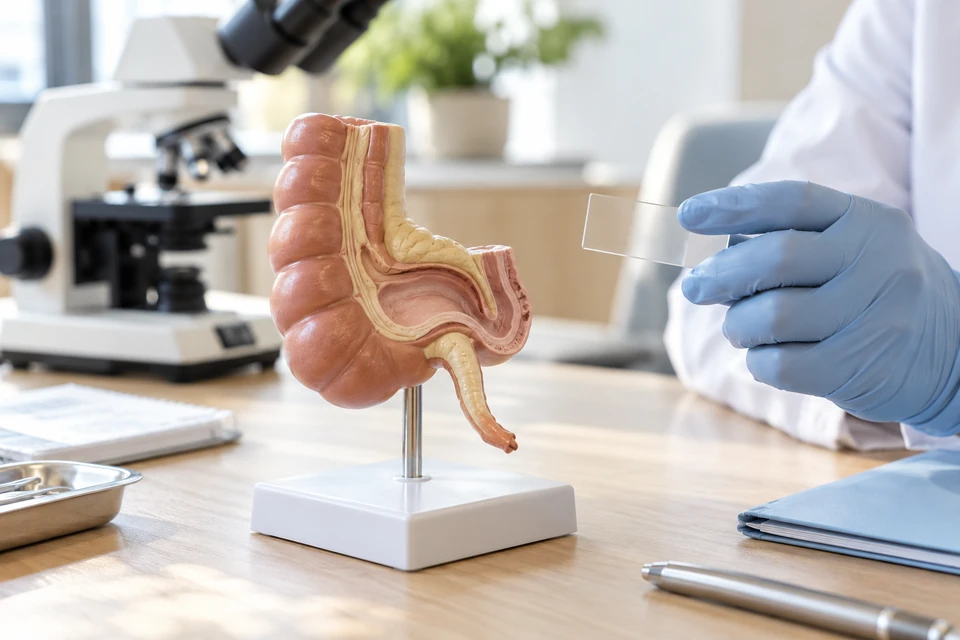
The appendix is attached to the beginning of the colon. Its uncommon tumours include mucinous neoplasms, adenocarcinoma, goblet cell adenocarcinoma and neuroendocrine tumours, which behave differently. Some are found unexpectedly after appendicitis surgery. Certain mucinous tumours can spread mucin and tumour cells through the abdomen, producing pseudomyxoma peritonei. The precise pathological diagnosis is essential before deciding how extensive treatment should be.
Pathology and staging
Review combines pathology with the original operative findings. Histological type, grade, margins, perforation and any extra-appendiceal mucin or cells matter. Imaging assesses disease distribution, and colonoscopy may check for associated colonic lesions. Selected tumour markers can assist follow-up but cannot determine treatment on their own. Investigations should match the tumour subtype rather than being applied as an identical panel to everyone.
Selecting treatment
Appendectomy with surveillance can be sufficient for selected localised tumours. Others need a wider operation including regional lymph nodes; right hemicolectomy is not automatic for every appendiceal tumour. Peritoneal spread warrants specialist multidisciplinary assessment. Surveillance, systemic therapy and regional approaches depend on biology and distribution. Fitness, nutrition and personal preferences also matter, and the reason for any additional operation should be clearly explained.
Surgery and specialist care
Operations range from appendectomy to removal of the right colon and lymph nodes. Selected peritoneal disease may be considered for cytoreductive surgery, sometimes combined with heated intraperitoneal chemotherapy. This is not suitable for every tumour or patient. The feasibility of clearing disease and the burden of surgery must be assessed. Possible stomas or additional organ resections should be discussed by the specialist team.
Risks and uncertainties
Risk varies greatly with the extent of treatment. Bleeding, infection, leakage, delayed bowel activity and clots are possible; extensive surgery may also affect nutrition and fluid balance. Imaging cannot reveal every small peritoneal deposit, so operative findings can change the plan. Because these tumours are rare and diverse, prognosis should be discussed using the individual's pathology and distribution rather than blanket success claims.
Preparation and surveillance
Preparation reviews nutrition, anaemia and cardiopulmonary fitness. Access to the original operation report, pathology material and scans supports specialist planning. Surveillance is tailored to tumour subtype and disease extent, using imaging or selected blood tests where appropriate. Its intensity is not identical for all patients. New abdominal distension, eating difficulties and bowel changes should be reported, alongside concerns about function and quality of life.
When urgent help is needed
Severe or increasing pain, persistent vomiting, distension and inability to pass gas may indicate obstruction. Fever, faintness, reduced urine or a deteriorating surgical wound require prompt assessment. Chest pain, breathlessness and heavy bleeding need emergency care. Gradual abdominal enlargement or unexplained weight change also warrants review. Previous tumour removal does not make new symptoms unimportant; describe their timing and progression to the team.
This information is general. The cause of symptoms, appropriate investigations and treatment options are determined through individual assessment.